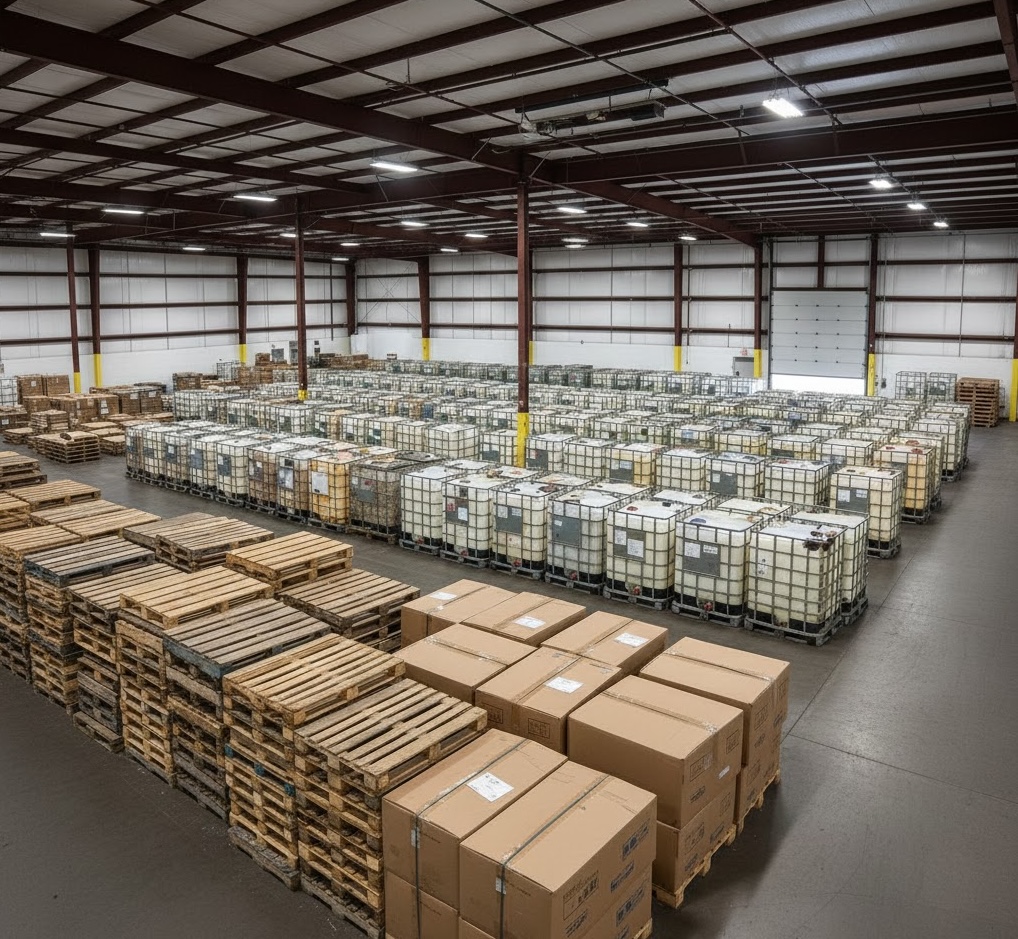
Pallets
Used and new pallets in wood and plastic, in common sizes and grades, through partner suppliers in Greater Montreal.
Get a Free Quote
Pallet Types
Partner suppliers offer a variety of pallet types to meet different industry requirements
Wood Pallets
Traditional wooden pallets offering good value and recyclability.
- Cost-effective
- Easy to repair
- Recyclable
- Various sizes
Plastic Pallets
Durable plastic pallets for operations that need easy cleaning and uniform dimensions.
- Easy to clean
- Long-lasting
- Consistent weight
- Uniform dimensions
Heat Treated Pallets
Wood pallets heat treated under ISPM 15 for export shipments.
- 56 °C core for 30 minutes
- HT stamped
- ISPM 15 mark
- For export shipments
Standard Sizes
Common pallet dimensions available through partner suppliers. Custom sizes on request, subject to availability.
GMA Pallet
North American standard, most common size
Drum Pallet
Square format for drums and telecom
Large Square
Extra capacity for bulk materials
Automotive
Common in the automotive industry
Dairy
Common in dairy and beverage industries
Euro Pallet
European standard dimensions
Pallet Specifications
Load capacity depends on pallet design, material, condition, and how the load is distributed. Ask the partner supplier for the rating of the pallets you are quoted, and always distribute loads properly for safety.
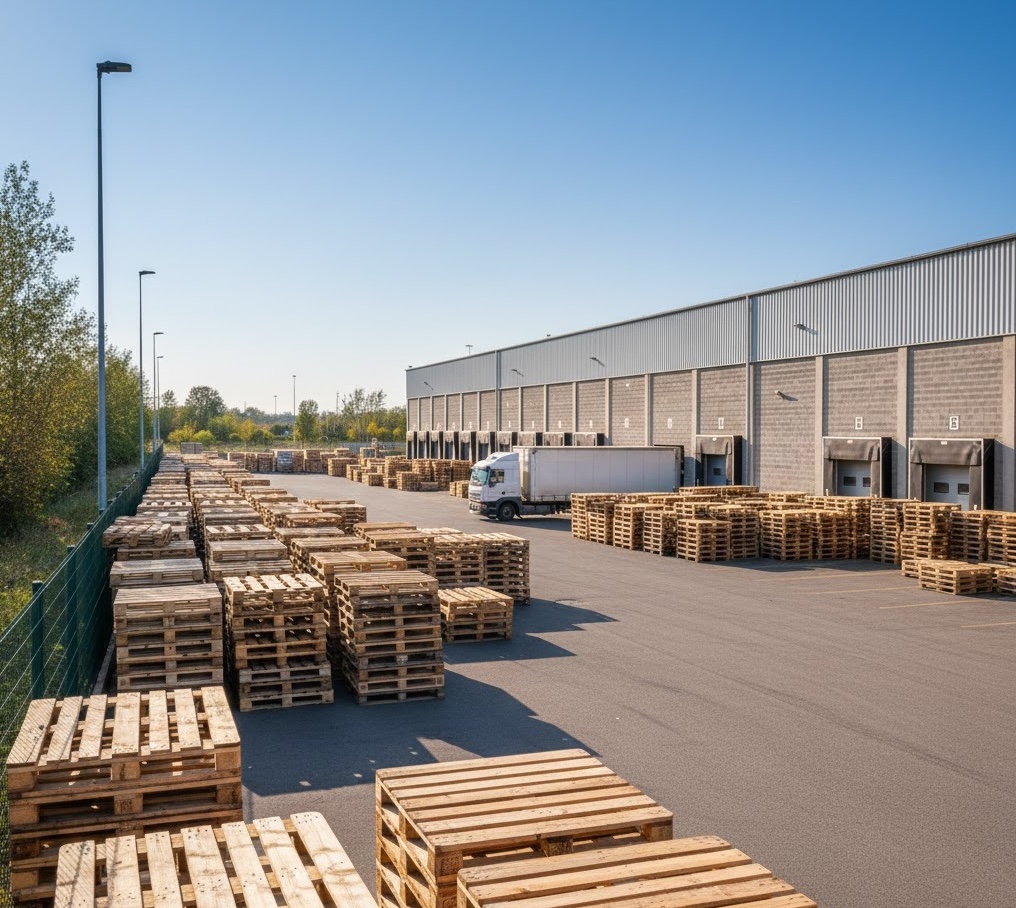
Pallet Buying Guide
New vs. Used Pallets
Used pallets usually cost less than new ones and do the same job for most uses. Ask the partner supplier about the grade and condition of the pallets you are quoted.
Choosing the Right Size
The most common size is 48"x40" (GMA standard), but your choice should depend on your product dimensions, storage racks, and shipping requirements.
Wood vs. Plastic
Wood is cost-effective and easily repaired. Plastic lasts longer, is easier to clean, and keeps consistent dimensions.
Heat Treatment Requirements
Many countries require wood pallets in international shipments to be treated under ISPM 15, for example heat treated to 56 °C at the core for 30 minutes and stamped HT. HT-stamped pallets are available through partner suppliers; check the destination's current regulations.
Industries We Serve
Pallet requests come from businesses in many sectors across Greater Montreal
Sustainable Pallet Solutions
Reusing a pallet avoids building a new one, which means less new lumber and less waste. Repairing a damaged pallet keeps it in service longer.
When pallets reach the end of their usable life, recycling through partner suppliers can turn the wood into products such as mulch or fuel instead of sending it to landfill.
The Lifecycle of a Pallet
Frequently Asked Questions
Key details on pallet types, grades, and export readiness
What pallet sizes can I request?
Common requests include 48x40 GMA, 42x42, 48x48, 48x45 automotive, 40x40 dairy, and Euro 800x1200. Custom sizes depend on what partner suppliers can source.
Can I get both wood and plastic pallets?
Yes, through partner suppliers. Wood suits general use and is easy to repair; plastic is easier to clean and keeps consistent dimensions.
Are heat-treated pallets available?
ISPM 15 heat-treated, HT-stamped pallets are available through partner suppliers for export shipments. Check the destination country's current requirements.
What load can a pallet handle?
Load capacity depends on the pallet design, material, condition, and how the load is distributed. Ask the partner supplier for the rating of the specific pallets you are quoted.
How are pallets graded?
Grade A is generally like-new, Grade B shows cosmetic wear but has solid stringers, and refurbished pallets use repair plugs or companion stringers. Grading is done by the partner supplier.
Are used pallets suitable for food applications?
Many food operations choose plastic pallets or clean wood pallets with a known history. Confirm the pallet's history with the partner supplier and check the rules that apply to your products.
Can I request mixed pallet sizes in one order?
Yes. Describe the mix in your quote request and a partner supplier will tell you what they can combine in one delivery.
Can pallets be repaired or sold?
Yes. Pallet repair and purchase of surplus pallets are available through partner suppliers in our network.
What about moisture or mold concerns?
Ask the partner supplier how pallets are stored. Kiln-dried wood or plastic pallets are common options for humidity-sensitive applications.
How long does delivery take?
Timing depends on the partner supplier and the pallets you need. A partner supplier follows up on your request with availability and delivery details.
Ready to Order Pallets?
Pricing is by quote from partner suppliers. Send a free, no-obligation quote request and a partner supplier will follow up.